How Long Does Water Damage Restoration Take in Tennessee?
Most clean-water jobs in a Tennessee home take about four to seven days from the first call to a dry structure. Repairs can add a day or several weeks. Here is the realistic sequence, and what makes it run longer.
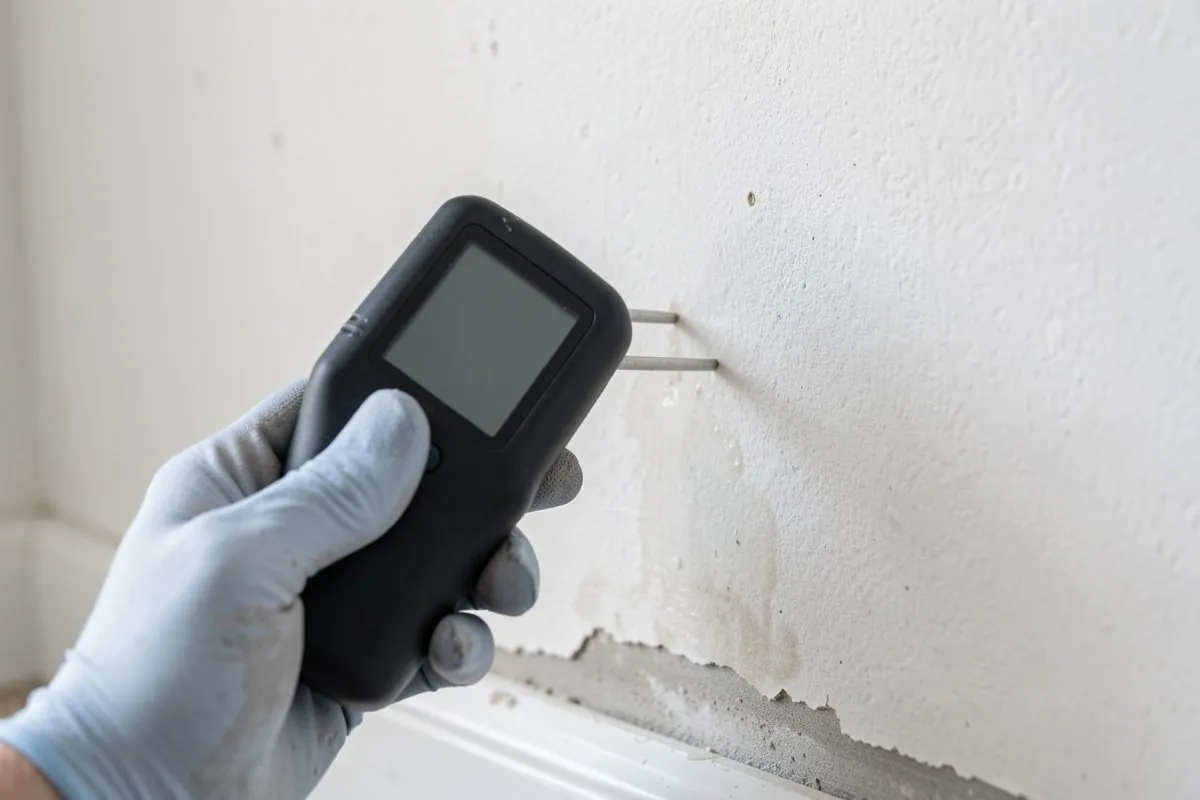
The honest answer is that water damage restoration is not one job. It is a sequence: stop the source, extract the water, dry the structure, confirm the readings, and repair what cannot be saved. Each stage has its own clock.
For a single room with clean water, the drying stage usually runs three to five days. A whole floor, contaminated water, or a leak that went unnoticed can push drying past a week. Repairs are a separate phase and can range from a patch and paint to a full rebuild.
The timeline below reflects how independent local crews typically work in Tennessee. Your provider's written scope is the number that matters for your home.
Key takeaways
- Extraction usually happens on day one, once the source is stopped.
- Structural drying typically takes three to five days for a single room.
- Multiple rooms, contaminated water, or delayed calls add days.
- Moisture readings confirm the structure is dry; the calendar does not.
- Repairs are scheduled after clearance and can take a day to several weeks.
In this guide
The short answer
For a typical clean-water loss confined to one room, plan on four to seven days from extraction to a dry structure. Add repairs after that. The table below shows where the time goes.
| Phase | Typical time | What happens |
|---|---|---|
| Call and assessment | Same day | The source is identified, moisture is mapped, and the scope is written. |
| Extraction | Hours | Standing water and water trapped in carpet and pad are removed. |
| Structural drying | 3–5 days | Air movers and dehumidifiers run while readings are logged daily. |
| Clearance | One visit | Readings confirm the framing, subfloor, and walls are dry. |
| Repairs | 1 day to several weeks | Drywall, flooring, trim, and paint are restored to a finished state. |
Those ranges assume the source is stopped and the crew can start promptly. A storm that produces hundreds of calls at once can add time before the first visit, even when the drying itself runs normally.
Day 1: call, inspection, extraction
The first visit is the busiest. A technician confirms the water is shut off, checks for safety hazards, and identifies the category of water. Clean water from a supply line is handled differently from gray water from an appliance or black water from a sewer.
Extraction comes next. Truck-mounted units pull the bulk of the water from carpet and hard floors, while portable extractors reach closets, stairs, and tight rooms. Saturated pad often has to be removed because it holds water against the subfloor and will not dry in place.
Before equipment is set, the crew maps moisture with meters and thermal imaging. This is the step that finds water behind baseboards, under cabinets, and inside wall cavities. The drying plan is built from those readings, not from the visible puddle.
Water still coming in?
Stop the source if it is safe to do so, then call (844) 609-3645. Extraction cannot begin until the water is stopped.
Days 2–5: structural drying
Drying is the longest stage and the one homeowners most often underestimate. Air movers keep air moving across wet surfaces, and dehumidifiers pull moisture out of the air so it does not settle back into the materials.
A typical single-room job uses several air movers and one or two dehumidifiers. A whole floor may need a larger bank of equipment, and a sealed cavity may need injection drying or specialty mats. The equipment stays in place continuously, including overnight, because cycling it on and off stretches the timeline.
The crew returns each day to take readings. Those readings show whether the materials are moving toward dry or have stalled. If a wall cavity is not drying, the crew may need to open it further or adjust the airflow. That is normal, and it is better than ending the job early.
Expect noise, warmth, and some humidity during this phase. Keep the doors and windows closed as instructed, and do not turn off equipment to make a room more comfortable. If the home is not usable, ask the provider what can be isolated and whether staying elsewhere is the better choice.
How the dry standard is confirmed
There is no single number that applies to every material. Drywall, framing, concrete, and hardwood all have different target readings, and the provider compares affected materials to a dry reference area in the same home.
Clearance usually requires a final walkthrough with a meter, not just a visual check. Surfaces can feel dry while the framing behind them is still damp. That is why the last visit matters: it is the difference between a finished job and a mold problem that returns in a few weeks.
Ask for the readings in the final report. A written record with photos and daily logs is also what your insurance adjuster will want to see.
Repairs and reconstruction
Repairs begin after the structure passes its dry readings. The scope can be small or large:
- Patch and paint: a small drywall repair or trim replacement can finish in a day.
- Flooring: carpet, pad, vinyl, or a section of hardwood may take several days to order and install.
- Cabinets and vanities: swollen particleboard usually cannot be dried and may need replacement.
- Full rebuild: removed drywall, insulation, and trim across multiple rooms can take weeks.
Some providers handle both mitigation and reconstruction; others hand off the rebuild to a separate contractor. Ask which model applies before you authorize work, and get the repair scope in writing.
What makes a job take longer
Water category
Clean water is the simplest. Gray water from a washing machine or dishwasher adds cleaning and sanitation. Black water from a sewer or outdoor flood is treated as contaminated, and porous materials that absorbed it usually have to be removed rather than dried.
Hidden moisture
Water that traveled into a wall cavity, under a cabinet, or beneath hardwood takes longer to find and longer to dry. A leak that ran for days before it was noticed is the most common reason a small-looking job becomes a large one.
Materials
Carpet and pad dry relatively quickly. Hardwood, engineered flooring, plaster, and dense insulation hold water longer. A crawlspace or a basement with concrete walls can also slow the process because the surfaces are not exposed to the same airflow.
Mold
If mold is already present, drying alone is not the fix. Mold remediation adds containment, removal, and clearance, which can add several days depending on the area.
Insurance and access
Claim review, adjuster visits, and approval for repairs can add calendar time even when the drying is finished. Tenant access, parking, and building rules can also affect scheduling in commercial or multi-unit properties.
Tennessee factors
Tennessee's humidity is the big one. In summer, indoor air can hold enough moisture that drying equipment has to work harder, and a house left open to humid air will not dry on its own. The provider should account for outdoor conditions when sizing dehumidifiers.
West Tennessee's flat ground drains slowly, so storm water can linger against a slab or crawlspace. Middle Tennessee's clay soil sheds water toward foundations, which is why basement and crawlspace calls spike after heavy rain. East Tennessee's hillside runoff and winter cold snaps create a different pattern: water arrives fast and pipes split when temperatures drop.
Storm events also create demand. After a wide system moves through, calls are handled in the order they arrive, so a household that calls at the first drip usually starts earlier than one that waits a day. That is one reason the same job can take different lengths of time in different weeks.
How to keep the timeline short
- Stop the source immediately if you can do it safely. Every minute of running water adds to the drying load.
- Call early. Demand climbs after a storm, and earlier calls get earlier slots.
- Photograph before you move anything. It supports the claim and helps the crew see what was wet.
- Do not tear out materials on your own. Premature demolition can hide the source and complicate the scope.
- Keep equipment running. Turning it off overnight or opening windows on a humid day works against the drying plan.
- Ask for the daily readings. A crew that tracks moisture can adjust the plan instead of guessing.
If you are unsure whether the job is urgent, treat moisture you can see or smell as urgent until someone confirms otherwise. The cost of an inspection is small compared with a rebuild that starts a week later.
Need local help in Tennessee?
Call (844) 609-3645 any hour. We will connect you with an independent local provider serving your ZIP code.
Call (844) 609-3645Questions homeowners ask
Can I stay in my home during water damage restoration?
Often yes, if the affected area can be closed off and the home still has safe power and water. Contaminated water, heavy structural damage, or equipment noise and humidity may make staying elsewhere the better choice. The provider should explain the options before work starts.
Why does drying take three to five days?
Water has to move out of framing, subfloor, and wall cavities, not just off the surface. Drying equipment runs continuously while readings are logged, and the job ends when the materials reach a dry standard. Rushing that stage is how mold problems start.
Will insurance cover the whole restoration timeline?
Coverage depends on the cause and your policy. Sudden and accidental damage is commonly covered, while gradual leaks and rising flood water often are not. Drying, extraction, and repairs may be treated as separate line items, and the adjuster's scope controls what is paid.
Can I speed up drying with box fans?
A box fan can move air, but it does not remove moisture from the air. Without dehumidification, it can spread humidity into other rooms. Use fans only as directed by the provider, and do not substitute them for professional drying equipment.
How long before mold starts after water damage?
Mold can begin to develop within 24 to 48 hours when surfaces stay damp. Visible growth often appears within a few days. Complete structural drying is the most reliable way to prevent it.
Reviewed by the Tennessee Restoration Pros editorial team · Updated November 2026